Refill, Reuse, Renew: Build Your Home Refill Station
Today we dive into setting up a home refill station for cleaning and personal care, turning everyday routines into an easy ritual of reuse, savings, and safer choices. You will learn how to plan your space, choose reliable containers, source concentrated refills, handle safe dilutions, and design a system your household actually loves using. Expect practical checklists, inspiring anecdotes, and friendly nudges to start small, iterate, and share progress with others who are reimagining cabinets, closets, and countertops to cut waste without sacrificing comfort or style.

Start Strong: Goals, Space, and Flow

Before buying a single bottle, clarify what matters most: less plastic, fewer harsh ingredients, lower costs, or a calmer routine. Then evaluate where the station will live, how you move through chores, and what must be within easy reach. Align goals with layout, gather only what supports them, and make the first refills delightful rather than tedious. Early wins keep momentum high, helping everyone participate willingly, remember steps naturally, and feel proud whenever a container is topped up instead of tossed.

Containers That Work as Hard as You Do

Great containers save time, reduce waste, and protect formulas. Prioritize glass or robust HDPE for chemicals, food-grade stainless for durability, and silicone gaskets for leak resistance. Pumps should deliver consistent doses, sprayers should atomize evenly, and caps must survive many wash cycles. Standardize sizes where possible to simplify labels, refills, and storage. A thoughtful kit prevents surprise drips, sticky shelves, and cracked lids, while making every refill feel as premium as opening something brand new—without the packaging.

Materials and durability

Match material to task. Vinegar and peroxide prefer glass or HDPE. Essential oils appreciate amber glass. Shower areas love stainless that resists rust. Durability matters most when hands are wet, counters crowded, and weekday mornings chaotic. Fewer failures mean calmer routines and longer-lasting investments.

Dispensing without mess

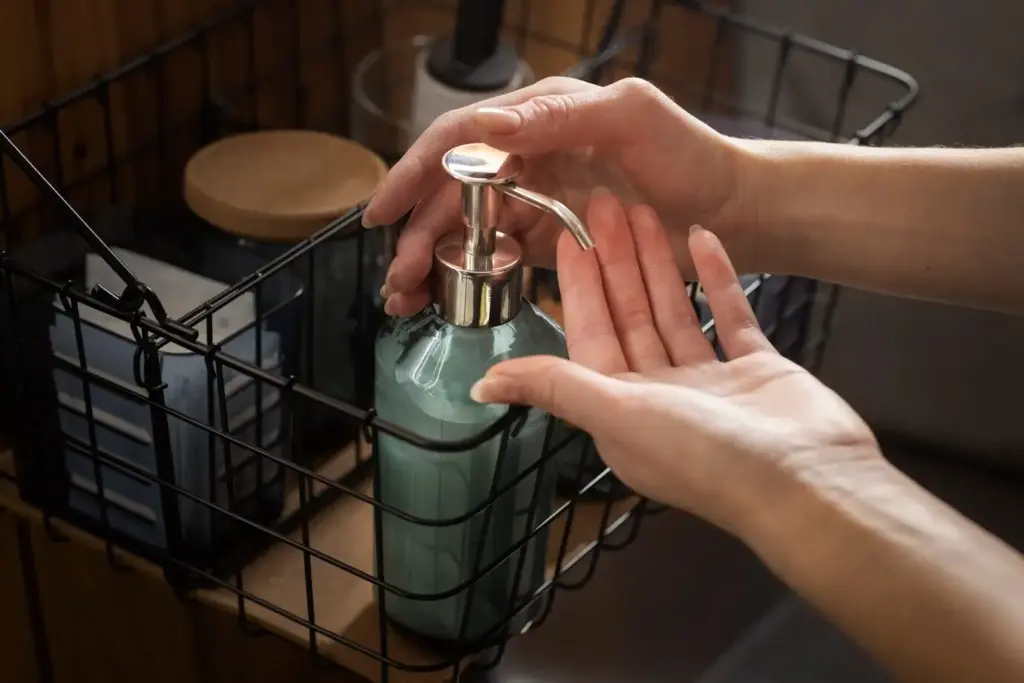
Choose pumps and triggers that fit bottle threads, deliver reliable volumes, and clean easily. Test with water first. A quarter-turn spout can prevent leaks in transit between sink and shower. Little ergonomic decisions stack up, keeping surfaces spotless and making refills genuinely pleasant.

Smart Sourcing and Refilling Strategies
Reliable supply turns good intentions into habits. Survey local bulk shops, co-ops, and refillery counters, then compare cost per ounce, packaging, and ingredient transparency. Consider concentrates that ship lighter and stretch farther when diluted correctly. Keep at least one backup for essentials like dish soap, all-purpose cleaner, hand wash, shampoo, and laundry. Plan seasonal adjusters—antibacterial moments during flu spikes, gentler formulas in dry winters—to avoid last-minute purchases that derail routines and clutter cabinets with mismatched products.

Local and community options

Ask stores about bring-your-own-container programs, refill punch cards, and supplier vetting. Many owners gladly share dilution sheets and allergen notes. Joining neighborhood groups can unlock split orders that cut costs and emissions. When your station supports local networks, refilling feels connected, resilient, and celebratory.

Concentrates done right

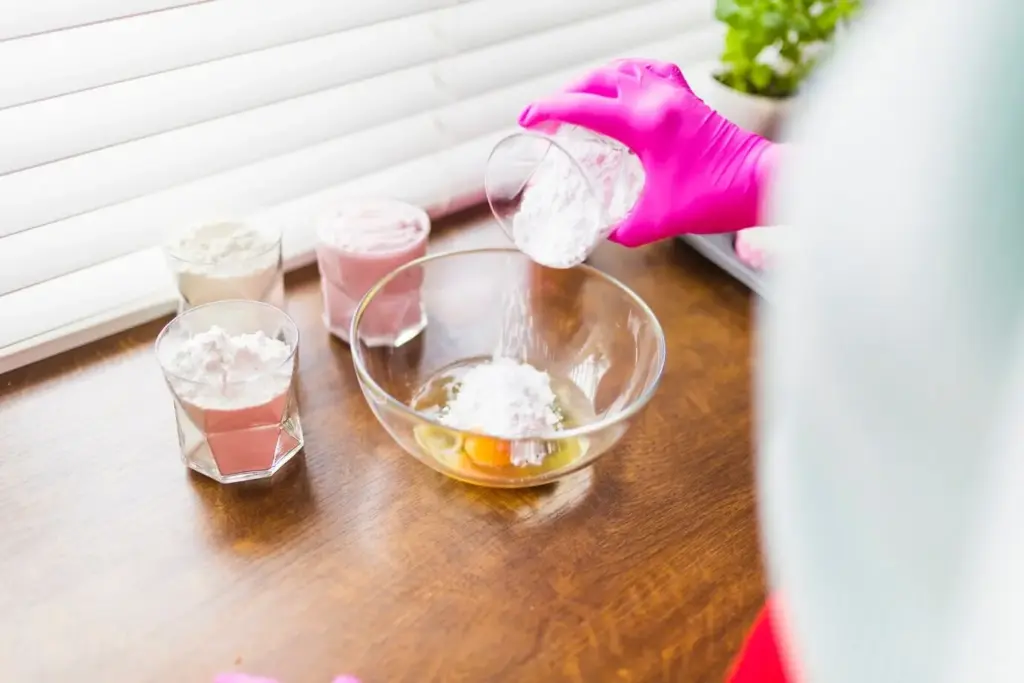
Label concentrate strength clearly, keep a dedicated measuring cup, and store instructions near the dilution zone. Mix with room-temperature water unless directed otherwise to protect viscosity and fragrance. Shake gently, not vigorously, to minimize foam. Consistency protects performance and prevents half-strength surprises.

Safety, Hygiene, and Peace of Mind

Safety is elegant when built into the design. Separate acids from bases, flammables from heat, and keep child-resistant caps on anything potent. Wash bottles between formula changes, sanitize funnels, and let parts air-dry thoroughly. Track batch dates for perishables like simple syrups or oil-heavy blends. Ventilate during mixing, wear gloves when needed, and keep SDS sheets or product info accessible. Good protocols reduce anxiety, protect skin and lungs, and make refilling feel both professional and deeply caring.

Layout that speeds tasks

Place frequently used formulas at eye or waist level, with backups below and occasional items above. Keep the dilution jar near the sink, and dedicate a microfiber hook adjacent. The fewer steps required, the more likely refills happen on time, without sighs.

Color, cues, and joy

Pick a playful color system—blue for laundry, green for surfaces, amber for body care—to guide quick choices. Add a tiny plant or postcard nearby. Small moments of charm signal care, converting repetition into ritual and reminding everyone why reuse feels rewarding.

A real-life nudge

In a studio apartment, one reader swapped three wobbly racks for a narrow trolley, labeling sides for kitchen, bath, and laundry. Refills stopped spilling, roommates stopped guessing, and Saturday cleanups shortened. Design did not add work; it removed friction gracefully.

Habits, Tracking, and Community Momentum

Systems thrive when people do. Build a simple rhythm: quick midweek top-ups, a monthly deep clean, and a quarterly inventory check. Track refill dates on labels or a shared app. Celebrate reduced trash and fewer emergency runs. Share photos, wins, and questions with friends or neighbors experimenting too. When accountability is friendly and visible, culture shifts gently, and your station becomes a small beacon of practical optimism that others are eager to replicate.

Checklists that actually help

Write tap-on tasks for phone reminders: rinse bottles Friday, mix laundry pre-wash Saturday, top up hand soap Sunday night. Attach timing to existing habits like making coffee. Tiny cues remove decision fatigue, protect momentum, and keep the station humming without managerial energy.

Measure what matters

Tally plastic avoided using estimated container volumes, note cost per ounce saved, and record skin comfort improvements after switching to gentler blends. Seeing progress transforms abstract values into tangible motivation, guiding future tweaks and convincing skeptical family members that reuse truly delivers.

Invite conversation

Add a small card that explains your station and encourages guests to refill instead of opening new products. Share a checklist template online and ask for tips. Community feedback uncovers clever tricks, avoids repeated mistakes, and makes sustainable routines feel social, generous, and fun.

Vulatopavuva
Privacy Overview

This website uses cookies so that we can provide you with the best user experience possible. Cookie information is stored in your browser and performs functions such as recognising you when you return to our website and helping our team to understand which sections of the website you find most interesting and useful.