Clean Containers, Confident Refills
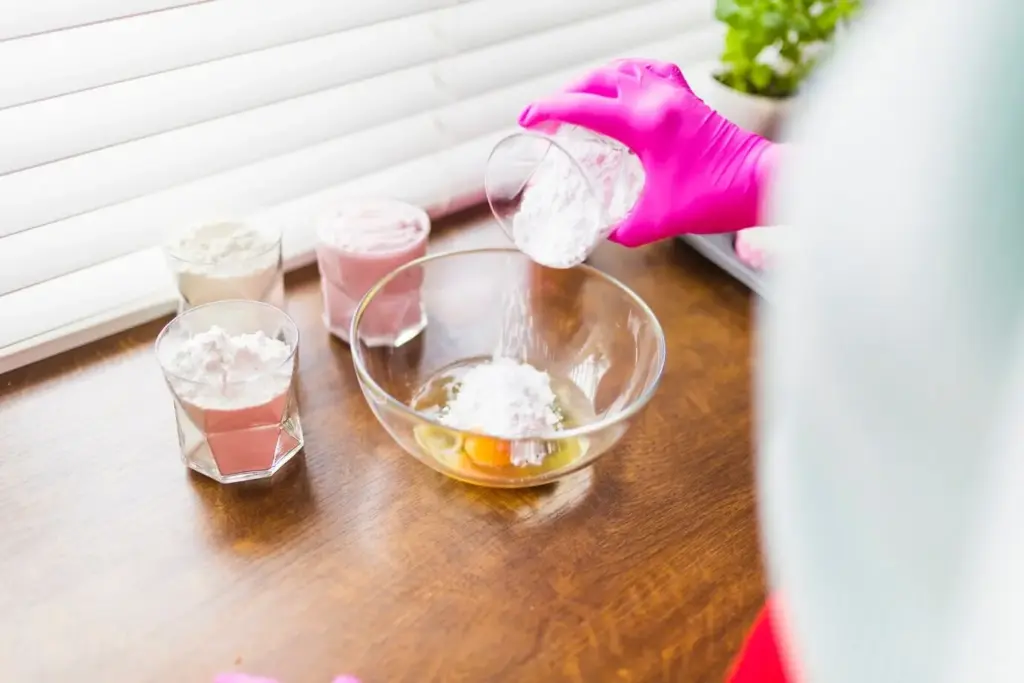
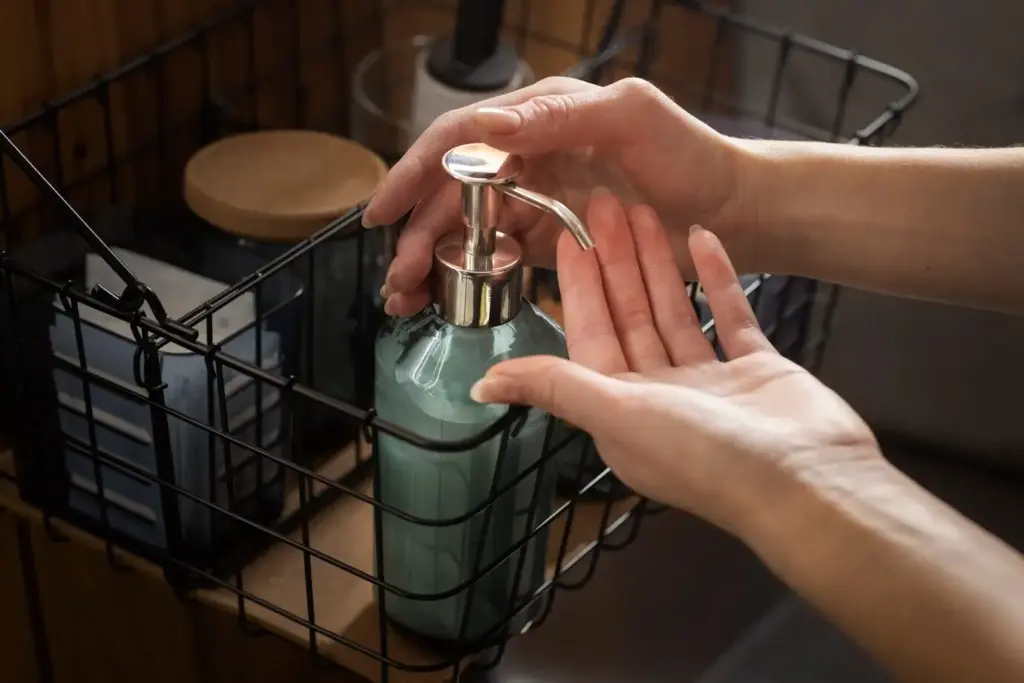
Today we dive into how to store and sanitize containers for safe household refills, guiding you from quick daily habits to reliable deep-clean routines. Learn practical methods that protect your family, preserve product quality, reduce waste, and keep every bottle, jar, and pump performing beautifully between trips to your favorite refill station.

Materials That Play Nicely with Refills

Choosing the right container material shapes safety, longevity, and product performance. Some plastics shrug off tough formulas, while others can warp, haze, or leach smells. Glass resists odors but hates sudden heat swings. Stainless stays strong, yet gaskets matter. Understand these trade-offs to avoid surprises, protect ingredients, and make refilling simple, predictable, and genuinely sustainable at home.

Plastic Know‑How: HDPE, PET, and PP Essentials

Not all plastics behave the same. HDPE often resists detergents and many cleaning agents while staying light and durable. PET is clear and attractive, yet dislikes strong solvents and high heat. PP handles warmer water and many soaps well. Always match formulas with compatibility charts and watch for softening, clouding, or odors that signal material fatigue or stubborn residue.

Glass and Stainless: When Durability Wins

Glass preserves fragrance clarity and resists staining, making it excellent for shampoos, conditioners, and dish soaps. Stainless steel brings rugged reliability and easy cleanup, yet the seal at the lid is crucial. Use silicone gaskets rated for your product’s pH, avoid abrasive scouring, and prevent thermal shock by letting freshly sanitized containers cool naturally before filling to minimize stress cracks.

Seals, Caps, Pumps, and Gaskets

A strong container fails if the cap or pump degrades. Choose closures with chemical resistance appropriate to your formula. Soft seals may swell from essential oils or high-alkaline cleaners, allowing leaks and air ingress. Inspect threads, replace tired pumps, and rotate spares. If a closure traps moisture after cleaning, let it fully air-dry upright to prevent mold or sour smells.

Cleaning Methods That Actually Work

Effective sanitation combines mechanical action, appropriate temperature, and correct chemistry. Start by emptying containers fully, then pre-rinse to remove visible residue. Use warm water, a mild detergent, and dedicated brushes. Finish with a proven sanitizing step and complete air-dry. Rushing through any stage can leave biofilms, lingering smells, or reduced product performance that slowly undermines your careful refill routine.

Heat and Time: Dishwashers, Boiling, and Pasteurization
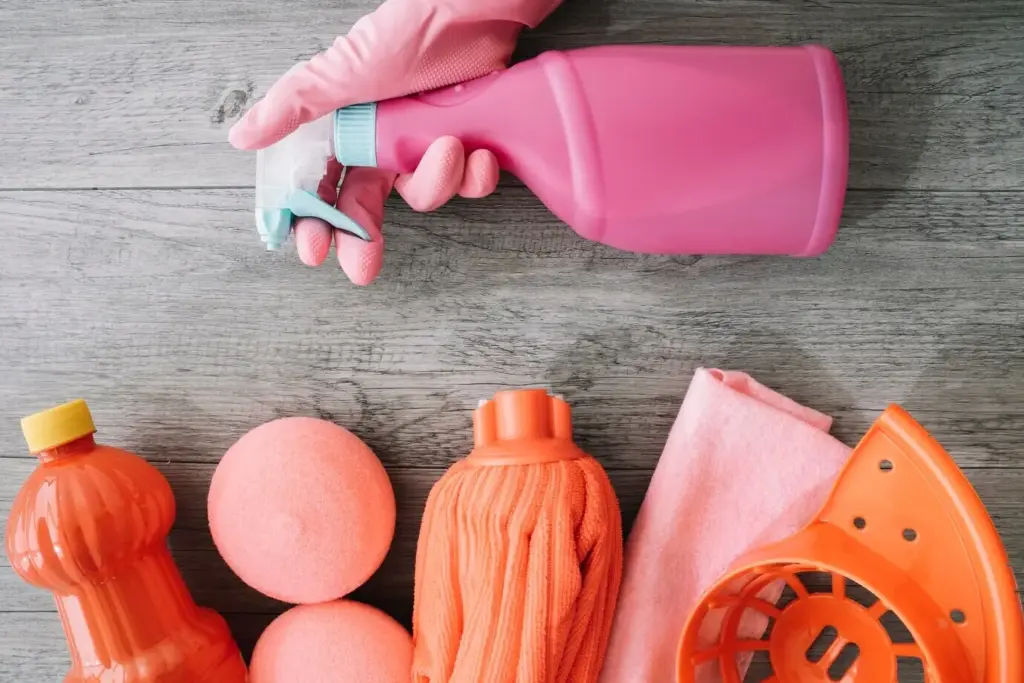
Heat can be a powerful ally. Many sturdy plastics and glass bottles tolerate top-rack dishwashing with a hot, thorough cycle, but always check symbols. For select heat-tolerant items, a brief boil helps dislodge grime and reduce microbes. Allow adequate time for cooling and drying afterward. Never rush hot containers into filling, since trapped steam and condensation encourage unwanted microbial regrowth.

Chemical Sanitizers: Dilution, Contact, and Rinse Strategy

If using chlorine bleach or peroxide-based solutions, accurate dilution and contact time are essential. Mix only what you need, follow the product label, and ensure full internal wetting. After sanitizing, rinse appropriately based on formula guidance, then drain and air-dry completely. Keep separate measuring tools for cleaners, ventilate the area, and store chemicals safely away from refill products and food items.

Storage That Keeps Contents Stable

Where and how you store refilled containers determines freshness, scent fidelity, and safety. Choose cool, dry spots away from direct sunlight or heaters, and keep items upright with caps fully closed. Add clear labels, track dates, and rotate stock. Child-safe placement and spill-proof bins provide extra security, making daily routines more relaxed, organized, and consistently reliable for everyone at home.

Light, Oxygen, and Heat: Quiet Enemies of Quality
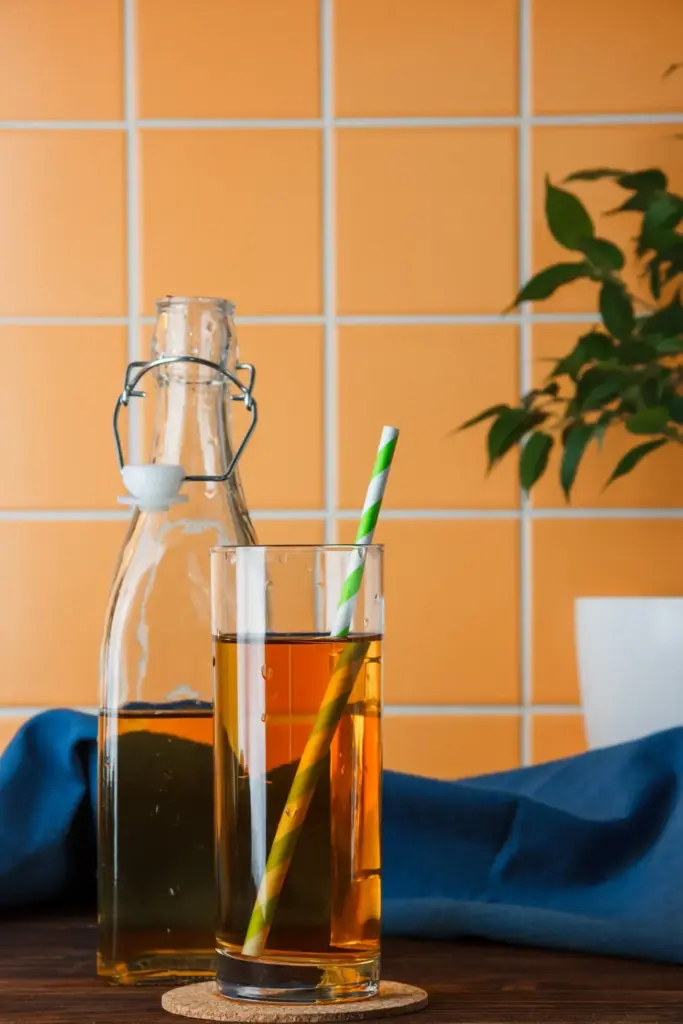
Sunlight fades dyes, warms contents, and accelerates breakdown of delicate fragrances. Oxygen creeping in through a tired seal can weaken preservatives. Heat thins viscosity and changes how pumps dispense. Choose shaded shelves, use opaque or amber containers when possible, and keep away from ovens, radiators, and sunny windows. These small choices collectively keep refills stable, predictable, and pleasant to use.

Labeling and Rotation You’ll Actually Use
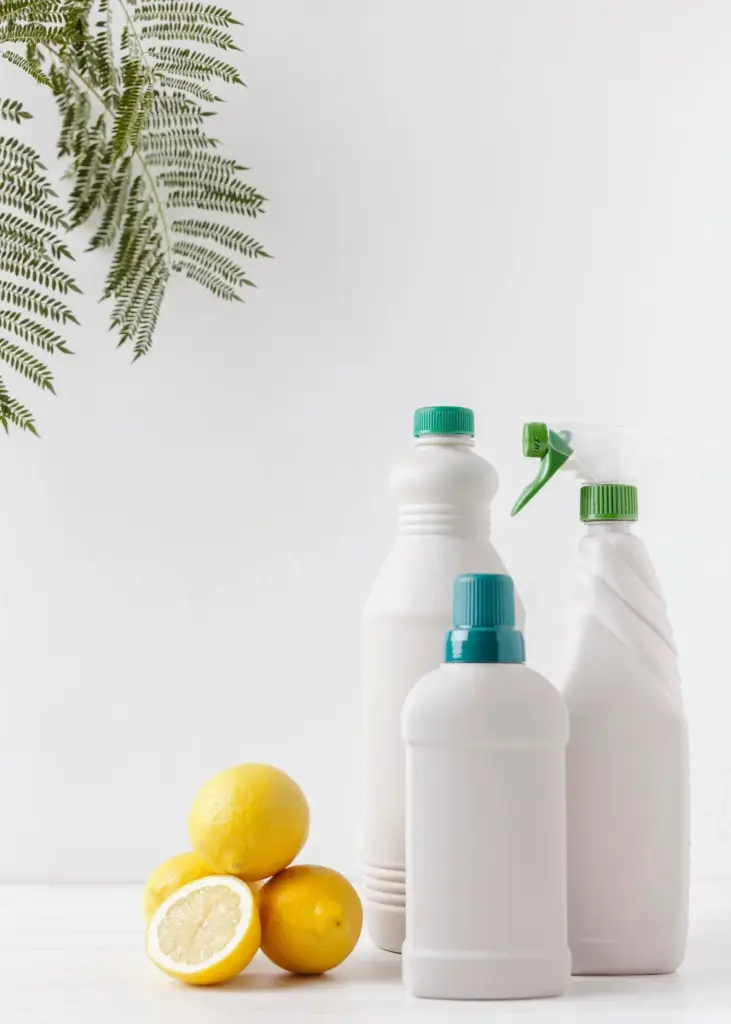
Simple labels beat complicated systems. Mark the product, concentration if applicable, and refill date with a waterproof pen. Store oldest bottles in front and new ones behind. A monthly glance catches dwindling inventories before an urgent shortage. Rotating like a grocery shelf minimizes waste, maintains consistency, and makes guests or family helpers immediately confident about what to grab and when.

Dedicated Tools for Each Product Category

Sharing a funnel between glass cleaner and hand soap may leave surfactants or fragrance behind, confusing results and masking lingering films. Assign each category its own funnel, brush, and measuring cup. Store them together in labeled containers, and sanitize after use. This simple separation limits surprises, keeps fragrances true, and lets you confidently troubleshoot if something seems off later.

Rinsing Away Memory: Residues, Oils, and Actives

Some fragrances cling to plastic, and essential oils can linger inside threads or pumps. Use warm water and a mild, compatible detergent, then a targeted sanitizer. Rinse thoroughly, paying attention to creases around closures. If odors persist, repeat with longer contact time or switch to glass for sensitive products. Trust your nose, but confirm by checking clarity, foam behavior, and feel.

Hands, Counters, and a Repeatable Rhythm

Clean hands, wiped counters, and a defined sequence reduce mess and microbes. Lay out sanitized tools first, then bring in products. Refill one category at a time, cap immediately, and label before moving on. Finish by washing tools and clearing the area. That rhythm prevents crossovers, makes refills faster, and builds an easy habit you’ll happily repeat every week.

Refill Station Readiness and Courteous Practices
Arriving with properly cleaned, dry containers makes refilling faster, safer, and more pleasant for everyone. Bring spares, caps, and a towel for unexpected drips. Confirm product compatibility ahead of time. Note batch or brand details on your labels. Ask staff for best practices, maintain a friendly pace, and leave the station tidy so the next person enjoys an equally smooth experience.

Troubleshooting Off‑Odors, Cloudiness, and Film

When something seems wrong, resist the urge to mask it with fragrance. Investigate likely causes methodically. Hard water leaves mineral veil; biofilm adds slippery layers and faint sourness; incompatible materials produce persistent haze. Rewash, sanitize, and test with plain water. If issues persist, retire the container or switch materials. Good troubleshooting protects both your products and your peace of mind.

When Plastic Turns Hazy or Brittle

Repeated exposure to heat or strong oils can cloud or embrittle certain plastics. If you notice whitening, stress lines, or flakes, stop using that container for refills. Transition to HDPE or glass as appropriate. Sometimes a vinegar rinse clears hard-water residues, but material damage cannot be reversed. Observing early warning signs avoids leaks, odd textures, and disappointing dispensing performance later.

Persistent Smells That Won’t Let Go

Odors that survive cleaning hint at residues trapped in caps, pumps, or gaskets. Disassemble fully, soak components per sanitizer instructions, rinse, and dry thoroughly. If the smell returns, replace the closure or switch to glass. Keep closures ventilated during drying and store them uncapped when empty. Tracking which products cause cling helps refine your pairings and prevent recurring frustrations.
Build a Simple Home Refill Protocol
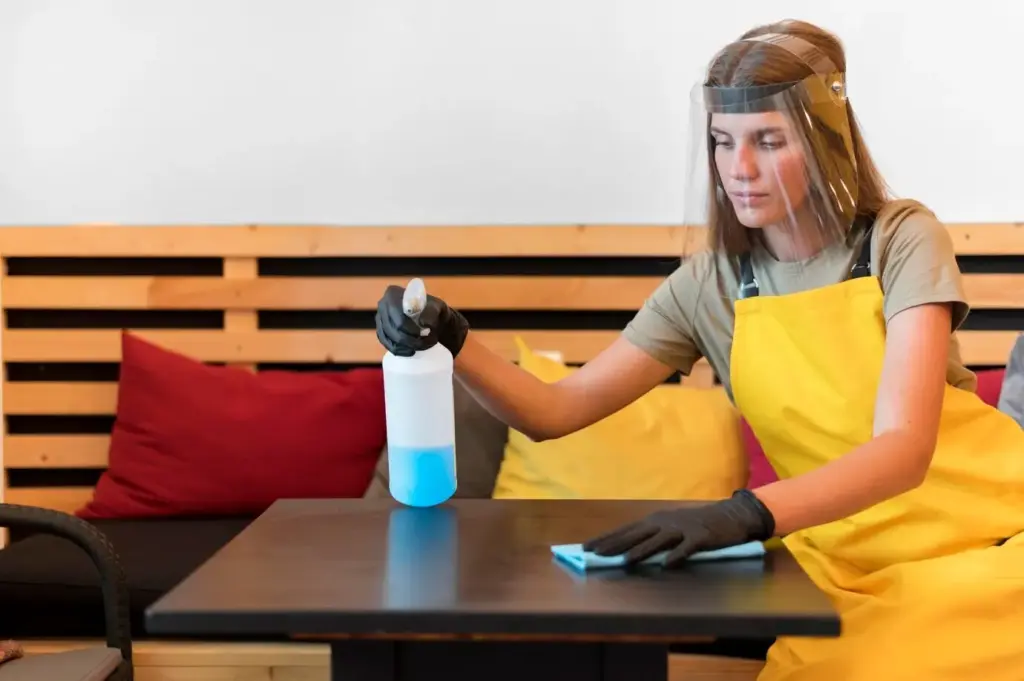
A dependable routine turns good intentions into consistent results. Outline steps for emptying, cleaning, sanitizing, drying, labeling, and storage. Schedule quick weekly touch-ups and a monthly deep clean. Share the checklist with your household so everyone participates. The more clearly you document, the easier it becomes to maintain quality, cut waste, and enjoy the satisfying calm of organized refilling.

Five‑Step Weekly Flow That Saves Time
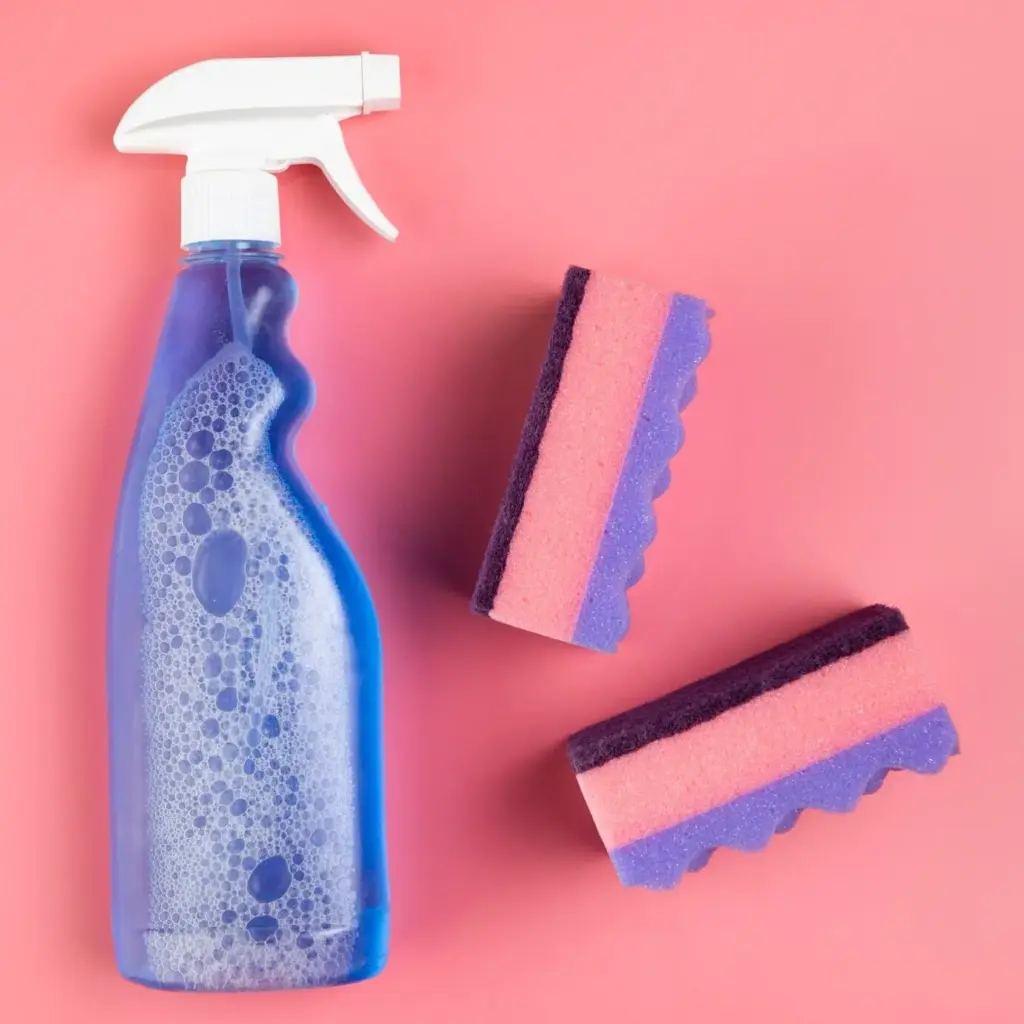
Set aside a short window each week. Gather empties, pre-rinse, wash with warm detergent, sanitize, then air-dry fully on a clean rack. Label and rotate as you put items away. Doing small consistent batches prevents daunting pileups, reduces errors, and keeps you familiar with each container’s quirks, from pumps that need extra drying to caps that benefit from a quick thread wipe.

Monthly Deep Clean and Supply Audit

Once a month, disassemble pumps, soak closures, and scrub threads and crevices thoroughly. Inspect for wear, swelling seals, or sticky triggers and replace as needed. Review your sanitizer, brush sets, labels, and spare gaskets. Note what ran low and reorder. This deeper reset resolves minor issues before they escalate, preserving reliability and ensuring your refill area remains calm and ready.
Vulatopavuva
Privacy Overview

This website uses cookies so that we can provide you with the best user experience possible. Cookie information is stored in your browser and performs functions such as recognising you when you return to our website and helping our team to understand which sections of the website you find most interesting and useful.